
ComfortDelGro Corporation
ComfortDelGro (CDG) is one of the world's largest land-based transport groups, currently undergoing a fundamental transformation from a Singapore-focused taxi operator to a global infrastructure service provider.

Summary
ComfortDelGro Corporation Limited operates as a leading global multi-modal land transport provider, maintaining a presence in 13 countries including Singapore, the United Kingdom, Australia, China, and several European nations. The company generates revenue through three primary economic engines: long-term, inflation-indexed government contracts for public bus and rail services; a transaction-based point-to-point mobility segment comprising traditional taxis and private-hire vehicles; and high-margin specialized services such as vehicle inspection and automotive engineering. Economically, the group has recently transitioned from a net cash position to a net debt stance of S$603.7 million as of mid-2025 to fund an aggressive international acquisition strategy and a multi-year fleet electrification program. The company’s primary advantages lie in its dominant 65% street-hail taxi market share in Singapore, significant global economies of scale, and deep expertise in navigating complex regulatory tender environments. However, it faces structural risks from intense digital competition by ride-hailing platforms, rising manpower costs in tight labor markets, and the high capital intensity required for the transition to zero-emission vehicle fleets.
ComfortDelGro is a resilient, high-yield global transport infrastructure play leveraging home-market dominance to fund defensive, contract-backed international expansion in the public transit and premium mobility sectors.
1. What they sell and who buys it
ComfortDelGro operates a diversified portfolio of transportation solutions that cater to a wide range of public and private sector clients across various geographies. The core of the business is structured around four primary service pillars: Public Transport, Point-to-Point (P2P) Mobility, Specialized Automotive Services, and Private Transport Management.
Public Transport: Bus and Rail
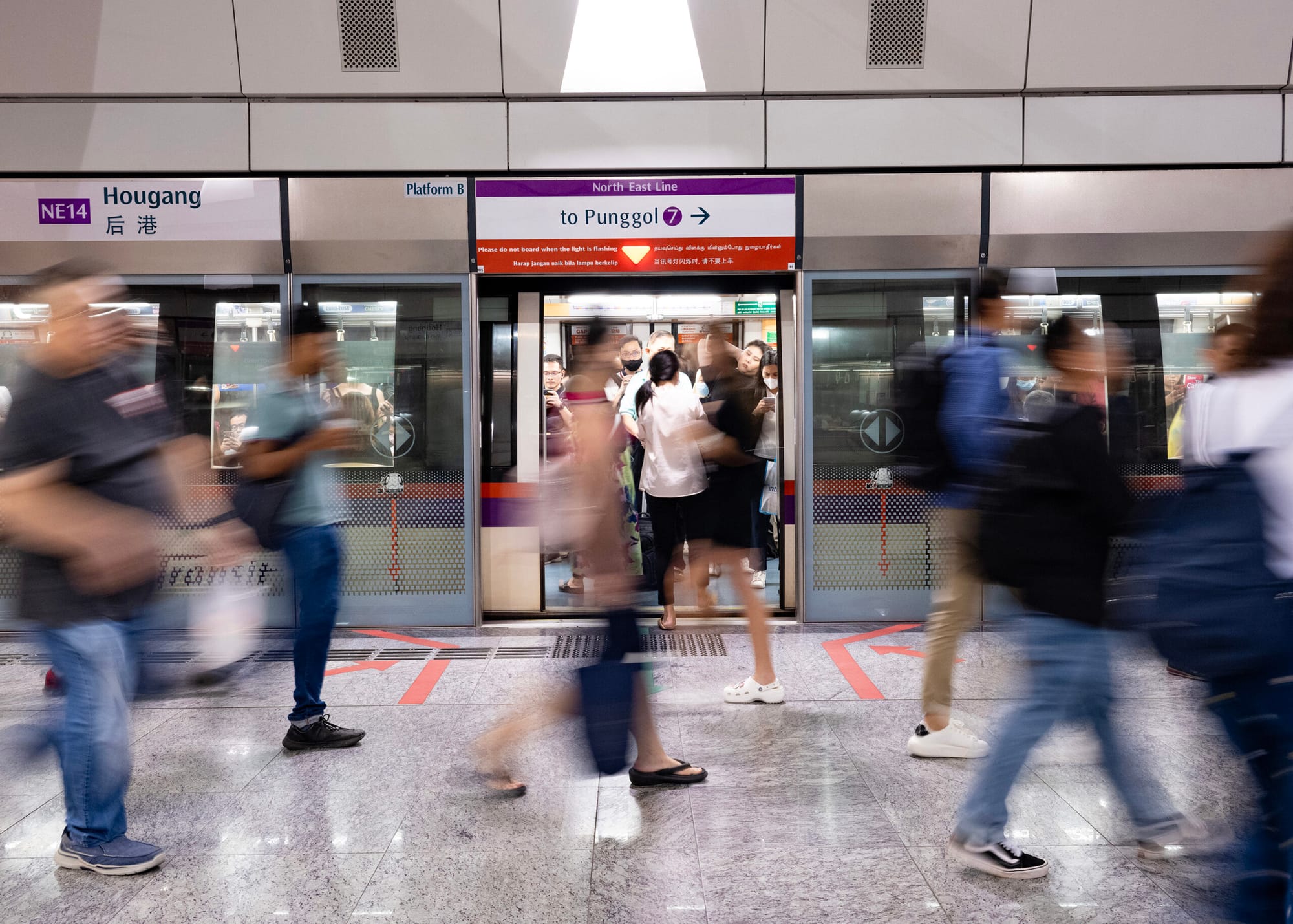
The Public Transport segment represents the largest portion of the group's operations. In Singapore, the company operates through its majority-owned subsidiary, SBS Transit, which manages the North East Line (NEL), the Downtown Line (DTL), and the Sengkang-Punggol LRT system. These services are purchased by the Singapore Land Transport Authority (LTA) under a bus and rail contracting model where the operator is paid to provide a specific level of service regardless of fare revenue. Internationally, the company has expanded its rail footprint to 343km of track in operation or mobilization, including new contracts in Auckland, New Zealand, and the Stockholm Metro in Sweden, which is set to commence in late 2025.
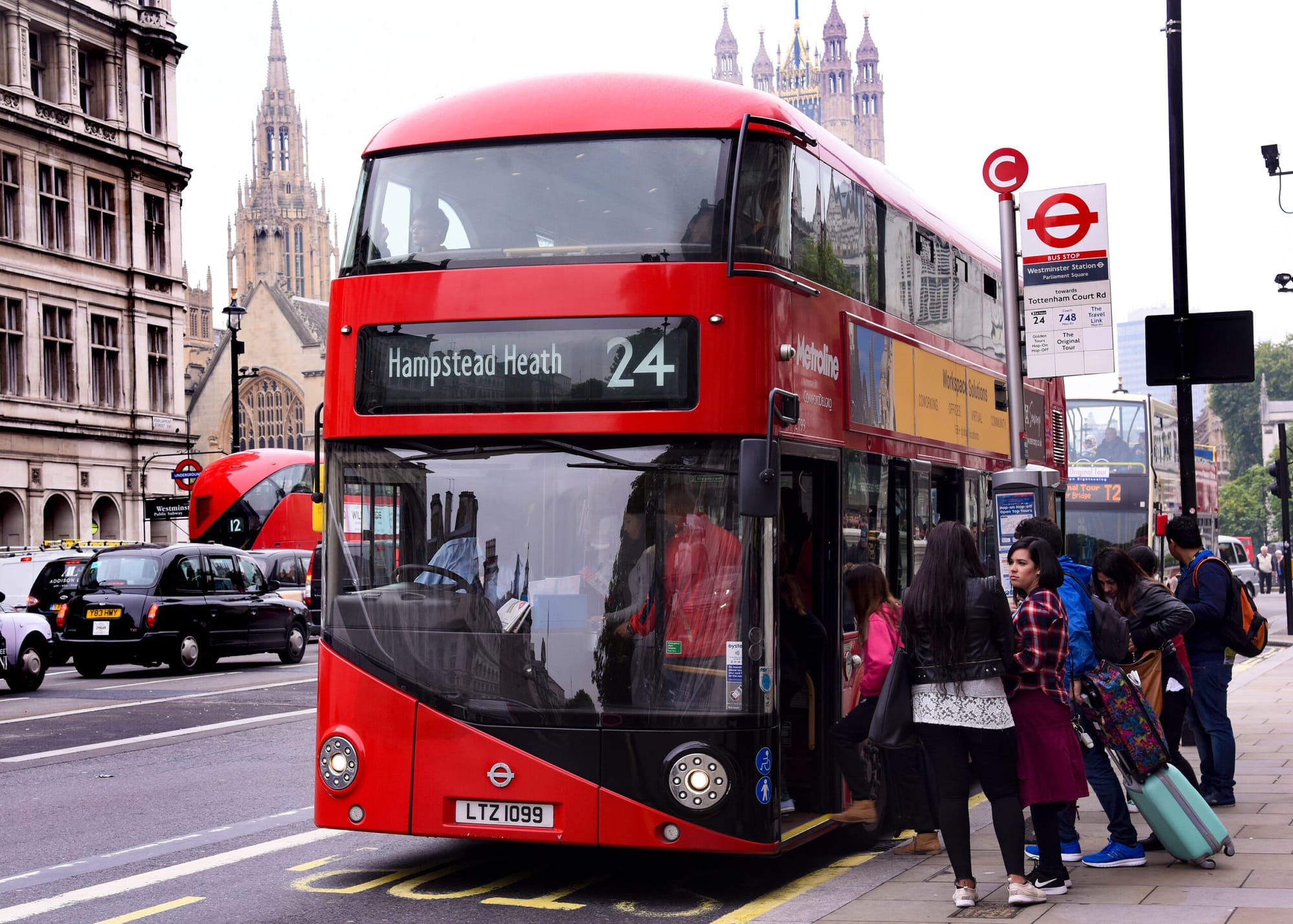
The bus operations are equally expansive. In the United Kingdom, Metroline is the third-largest scheduled bus operator in London, managing approximately 17% of the city’s bus services for Transport for London (TfL). In Australia, ComfortDelGro Australia (CDC) provides timetabled, school, and chartered bus services across six states, recently securing major franchises in Victoria that cover 20% of Melbourne’s metropolitan network. The primary buyers in this segment are government transport agencies that prioritize reliability, safety, and the ability to manage complex logistics during the transition to zero-emission fleets.
Point-to-Point Mobility: Taxi and Private Hire
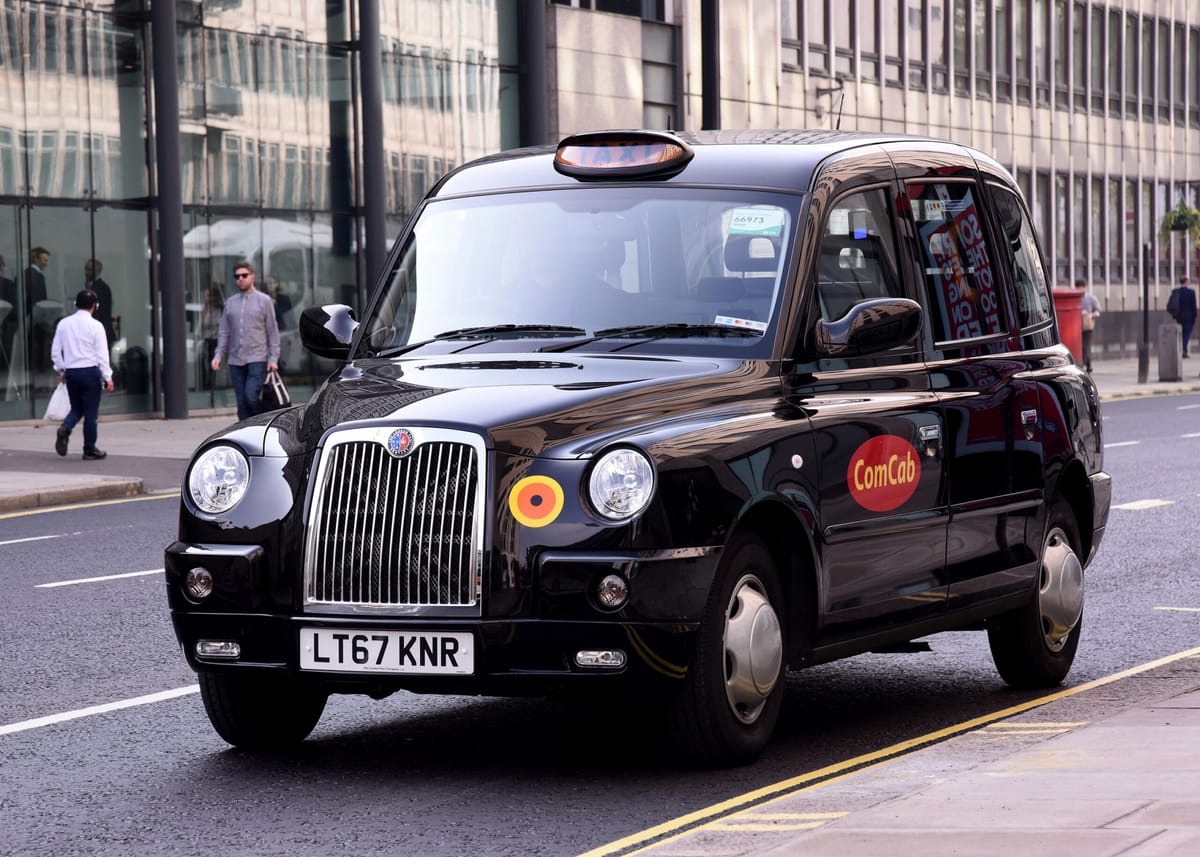
The P2P segment serves the needs of individual commuters and corporate accounts. The group manages a total operating fleet of over 54,000 vehicles, which includes traditional street-hail taxis and app-based private-hire vehicles (PHV). In Singapore, the company operates under the Comfort and CityCab brands, serving millions of passengers who require on-demand mobility. In the UK, the acquisition of Addison Lee positioned the company as London’s leading provider of premium private hire, courier, and black taxi services. In Australia, the acquisition of A2B Australia made ComfortDelGro the operator of the country's largest taxi network, including the premium Silver Service brand. These services are purchased by B2C consumers seeking reliability and B2B corporate clients requiring managed transport for employees and clients.
Specialized Automotive and Private Transport
Through its subsidiary Vicom, the group provides vehicle inspection and testing services, primarily to vehicle owners in Singapore who are legally required to undergo periodic safety and emission checks. Additionally, the group offers automotive engineering, car rental and leasing, and driver training services. A newer growth area is managed transport disruption services provided by CMAC Group, which sells emergency ground transport and accommodation solutions to airlines, rail operators, and corporate travel managers during service outages.
2. How they make money
ComfortDelGro’s revenue generation is characterized by a mix of fixed-fee government contracts and variable transaction-based consumer payments. This hybrid model provides a baseline of stable, recurring income supplemented by higher-margin, volume-dependent services.
Revenue Model and Pricing
In the Public Transport segment, the group earns revenue primarily through service fees paid by government authorities. These fees are typically fixed for the duration of the contract (5 to 10 years) but include indexation clauses that allow for adjustments based on changes in fuel prices, electricity costs, and wage inflation. This model insulates the company from ridership risk in Singapore and London, where the government retains fare revenue while the operator focuses on operational efficiency.
In the Taxi and Private Hire segment, the revenue model is dual-pronged. First, the company earns recurring daily rental fees from taxi drivers who lease vehicles from the group’s fleet. Second, it earns transaction-based commissions and platform fees from bookings made through the Zig mobile application. For premium services like Addison Lee and A2B, revenue is generated through per-trip fees, management fees for corporate accounts, and specialized courier charges.
| Segment | Primary Revenue Driver | Nature of Revenue |
|---|---|---|
| Public Transport | Government Service Fees | Recurring, Contractual |
| Taxi & Private Hire | Driver Rentals & Commissions | Hybrid (Recurring + Transactional) |
| Specialized Services | Inspection Fees & Engineering | Transaction-based (Regulatory-driven) |
| Other Private Transport | Management Fees (B2B) | Contract-based |
Revenue Breakdown and Geographic Shift
For the fiscal year 2024, the group reported total revenue of S$4.48 billion, representing a 15.4% increase over the previous year. A critical milestone was reached in the first half of 2025, where overseas revenue contribution surpassed 50% for the first time, reaching 54.3%.
| Financial Metric (S$'mil) | FY2023 | FY2024 | 1H2024 | 1H2025 |
|---|---|---|---|---|
| Total Revenue | 3,880.3 | 4,476.5 | 2,117.5 | 2,422.7 |
| Public Transport Revenue | 2,959.5 | 3,107.5 | 1,500.0 | 1,600.0 |
| Taxi & PHV Revenue | 567.8 | 739.8 | 327.5 | 519.7 |
| Operating Profit | 272.1 | 322.9 | 140.5 | 172.5 |
| PATMI | 180.5 | 210.5 | 95.3 | 106.0 |
Data compiled from FY2024 and 1H2025 financial disclosures.
The significant growth in the Taxi and Private Hire segment (58.7% increase in 1H2025) was largely driven by the full consolidation of acquisitions such as Addison Lee in the UK and A2B in Australia, which successfully shifted the group's revenue mix toward premium B2B mobility.
3. Quality of revenue
ComfortDelGro’s revenue quality is bolstered by its long-term contractual nature and its increasing geographic and segmental diversification, although it remains susceptible to competitive pressures in the point-to-point sector.
Predictability and Diversification
The Public Transport division (contributing approximately 66% of group revenue) offers high predictability due to the multi-year nature of its government contracts. These contracts are typically awarded through competitive tenders and provide a steady cash flow that is largely decoupled from immediate consumer spending habits. The diversification of this revenue has improved significantly; the company now manages rail and bus networks in 13 countries, meaning a single regulatory change in Singapore or a contract loss in London (such as the recent handover of the Jurong West bus package) is mitigated by growth in other regions like Manchester or Stockholm.
Recurring vs. One-Time Components
The vast majority of revenue is recurring. This includes the government service fees in public transport and the daily taxi rental fees from drivers in Singapore. One-time revenue components, such as the sale of retired vehicles or specialized automotive engineering repairs, represent a small minority of the total top line. The transition toward more platform-based revenue in the taxi segment (commissions on Zig) introduces a more variable, transaction-based element, which is more sensitive to seasonal travel patterns and competitor promotional activity.
Concentration and Economic Cyclicality
- Customer Concentration: There is a high concentration toward government entities like the Singapore LTA and TfL. However, these are highly creditworthy counterparties with a public mandate to maintain transport services, which effectively eliminates credit risk.
- Economic Sensitivity: Public transport and vehicle inspection services are defensive and show low correlation with economic cycles. In contrast, the taxi and private-hire segment is more cyclical; during economic downturns, discretionary travel and corporate bookings for premium services (Addison Lee) typically decline. However, the group’s expansion into disruption management (CMAC) provides a unique counter-cyclical hedge, as demand for emergency transport often increases during rail or airline industry volatility.
4. Cost structure
The cost structure of ComfortDelGro is heavily weighted toward operating expenses, specifically labor and energy, which are necessary to maintain its massive global fleet and rail networks.
Major Cost Factors
Total operating costs in FY2024 reached S$3,790.3 million, a 16.6% increase compared to FY2023, slightly exceeding the 15.4% revenue growth rate.
| Cost Component | Nature of Cost | Strategic Impact |
|---|---|---|
| Staff Costs | Semi-Fixed | Largest expense; rising due to global driver shortages and mandatory wage increases. |
| Fuel & Energy | Variable | Mitigated by contract indexation in Public Transport; direct impact in Taxi segment. |
| Depreciation | Fixed | High (S$368.4M in FY2024) due to asset-heavy bus/rail fleets and depots. |
| Maintenance | Variable | Driven by fleet age and transition to complex EV technology. |
Margins and Scalability
The group's operating profit margin for FY2024 was 7.2%, a slight improvement from 7.0% in FY2023. However, margins vary significantly by segment:
- Public Transport: Typically operates at lower EBIT margins (approx. 4.8%) due to the high volume/low margin nature of government contracts.
- Taxi & PHV: Historically higher margins (reaching 13-22%), though these have recently dipped due to integration costs for A2B and Addison Lee and increased competition in the Singapore B2C market.
- Inspection & Testing: The highest margin segment, with EBIT margins often exceeding 27% due to the regulatory monopoly-like nature of the business in Singapore.
Operating Leverage and Scalability
The business has moderate scalability. In the Public Transport segment, winning adjacent contract "clusters" allows the group to share depots, maintenance facilities, and administrative overheads, leading to margin expansion. However, growth in the taxi and bus segments fundamentally requires the acquisition of more vehicles and drivers, meaning the business lacks the infinite scalability of pure software platforms. The transition to electric vehicles (EVs) initially pressures margins due to higher depreciation and infrastructure investment, but it is expected to yield lower long-term maintenance costs and energy savings, such as the S$10-12 million in electricity savings realized in 2H2024 through new contracts.
5. Capital intensity
ComfortDelGro operates an asset-intensive model that requires significant ongoing capital expenditure to maintain and expand its fleet and infrastructure.
Assets and CapEx Cycle
The company is currently in an elevated CapEx cycle driven by the global transition to green energy and the commencement of major new contracts. In the first half of 2025, net CapEx totaled S$497.0 million.
| CapEx Allocation (1H2025) | Amount (S$'mil) | Purpose |
|---|---|---|
| Buses | 308.5 | 452 buses for Manchester contracts; 174 EV buses for London. |
| Taxis | 23.1 | 206 diesel-to-hybrid/EV conversions (SG); 251 EV taxis (China). |
| Property & Infrastructure | 95.7 | Depot electrification (UK/Australia) and property development (SG). |
The company has a long-term goal for 90% of its car fleet and 50% of its bus fleet to be cleaner vehicles by 2030, with a fully green fleet by 2040. This requires sustained investment in charging infrastructure and the replacement of internal combustion engine (ICE) vehicles with more expensive EV alternatives.
Working Capital and Cash Conversion
The group manages working capital effectively, though the recent acquisitions have impacted immediate cash reserves. Free cash flow for 1H2024 was reported at S$72.9 million. Cash conversion is influenced by the timing of government contract payments and the capital-heavy nature of fleet renewals. While some analysts describe recent cash conversion as "uninspiring" at 9.1% of EBIT, this is a function of the heavy reinvestment in assets that will generate cash over 10-year contract cycles. The company maintains a net debt position of S$603.7 million as of mid-2025, a shift from previous net cash positions, reflecting the strategic decision to utilize leverage for international expansion.
6. Growth drivers
The growth story of ComfortDelGro has shifted from domestic consolidation to international expansion and the pursuit of premium, high-margin mobility segments.
Primary Growth Levers
- Geographic Expansion and Tendering: Winning new public transport franchises in international markets is the most significant structural growth driver. The award of the Stockholm Metro contract (commencing late 2025) and the Manchester Bee Network contracts (commenced Jan 2025) provide long-term, predictable revenue growth. The group is actively pursuing a pipeline of tenders worth billions, including the Copenhagen Metro and Sydney Metro West.
- Acquisitive Growth: The group has demonstrated an ability to use its balance sheet for strategic, accretive acquisitions. The 2024 acquisitions of CMAC, A2B, and Addison Lee contributed significantly to the 67% year-on-year growth in overseas operating profit in 1H2025.
- Pricing and Indexation: In Singapore, periodic rail fare increases (such as the one from December 2024) and bus contract indexation provide a mechanism to grow revenue in line with or slightly above inflation.
- Product Mix Shift (B2B): Moving from the competitive B2C mass market to premium B2B segments (corporate fleets, emergency transport, disruption management) allows for higher margins and reduced sensitivity to the price wars common in the ride-hailing sector.
Structural vs. Cyclical Drivers
The expansion into international public transport and the move toward green fleets are structural, long-term drivers aligned with global urbanization and sustainability trends. Conversely, the recovery of ridership and travel volumes post-pandemic is a cyclical driver that has largely played out by early 2025, shifting the focus toward operational efficiency and contract renewals at improved margins.
7. Competitive advantages
ComfortDelGro’s profitability is defended by a multi-layered moat consisting of regulatory dominance, operational scale, and specialized expertise.
Regulatory and Market Moat
In Singapore, the company holds a dominant 65% share of the street-hail taxi market. This dominance creates a brand recognition and reliability moat; customers often perceive Comfort taxis as the "gold standard" for safety and availability. In the Public Transport segment, the moat is regulatory: once a rail or bus contract is awarded, the company operates as a monopoly for that geographic cluster or line for the duration of the contract term. The high barrier to entry—requiring vast capital, safety certifications, and a proven track record—limits the competitive pool in major international tenders.
Economies of Scale
Operating a fleet of over 54,000 vehicles across 13 countries provides immense bargaining power with vehicle manufacturers, fuel suppliers, and insurance providers. This scale allows ComfortDelGro to maintain lower unit costs than smaller regional competitors, a critical advantage in the low-margin public transport sector where tender bids are often won on cost-efficiency.
Switching Costs and Data
In the B2B segment, subsidiaries like Addison Lee and CMAC benefit from high switching costs. Corporate clients integrate these services into their own travel and logistics workflows, and the specialized nature of disruption management (e.g., managing flights for an airline) makes it difficult for clients to switch to generic ride-hailing platforms. Furthermore, the Zig app’s data on millions of trips allows for optimized fleet dispatch and demand forecasting, an intellectual property advantage that grows more powerful with every transaction.
Financial Evidence of Moat
The company’s ability to consistently generate positive ROIC (averaging 6.9% over 10 years) and maintain an 80% dividend payout ratio while investing billions in fleet renewal is strong evidence of a durable competitive position. The fact that its rail subsidiary, Downtown Line, is the world's most reliable MRT line for three years running underscores an operational excellence that is difficult for competitors to replicate.
8. Industry structure and position
The global land transport industry is moving toward a structure that favors large, integrated "Mobility as a Service" (MaaS) providers with the balance sheet strength to fund the transition to electric and autonomous fleets.
Value Chain and Profit Pools
The industry value chain spans vehicle manufacturing, infrastructure, and operations. ComfortDelGro is positioned primarily as an operator and manager. Profit pools in the sector are shifting:
- Mass Transit (Low Margin, High Stability): Government-contracted bus and rail services.
- Point-to-Point (Moderate Margin, High Competition): Taxis and PHVs, increasingly dominated by digital platforms.
- Specialized Services (High Margin, Niche): Regulatory-mandated inspections and B2B logistics.
Market Structure and Position
ComfortDelGro occupies a "Leader" or "Consolidator" position in its key markets:
- Singapore: The dominant player in a consolidated market, acting as a critical partner to the government.
- UK Bus: A top 3 operator in London (Metroline) and an expanding presence in the newly franchised Manchester market.
- Australia: The operator of the largest taxi network and a major player in the consolidating urban bus industry.
- China: A niche specialist with an early-mover advantage in autonomous robotaxi pilots through its partnership with Pony.ai.
In the context of the global ride-hailing market, where Uber and Grab hold dominant shares (67.5% and 56% APAC respectively), ComfortDelGro positions itself not as a pure tech play but as a high-reliability, asset-backed alternative that controls the entire experience—from the vehicle and driver to the booking platform.
9. Unit economics and key performance indicators
The unit economics of ComfortDelGro reflect the recovery of travel demand and the margin expansion occurring in its public transport contracts.
Segmented Unit Economics
- Public Transport (Bus/Rail): The primary KPI is EBIT margin per contract. In the UK, margins for new bus tender bids are currently in the 10-15% range.13 In Singapore, rail ridership is the key driver, with the Downtown Line's industry-leading 8.12 million train-kilometers between failures serving as a benchmark for operational efficiency.
- Taxi and Private Hire:
- Utilization: A critical metric is the percentage of the fleet that is active and on the road. While the Singapore taxi population has seen some decrease, trip numbers improved in 3Q2025.
- Commission & Platform Fees: On the Zig platform, the company previously used a fixed commission (70 cents per trip) to drive availability; recent shifts toward higher commission rates (similar to ride-hailing peers) have surged segmental revenue but must be balanced against driver retention.
- ARPU (Average Revenue Per User/Vehicle): In the UK, Addison Lee provides high ARPU through its premium pricing and B2B corporate service layers.
KPI Trends
| Metric | Status | Outlook |
|---|---|---|
| Rail Ridership (SG) | Improving | Steady growth projected with higher fares from Dec 2024. |
| UK Bus Margins | Improving | London contract renewals coming through at significantly better terms. |
| Taxi Fleet Size (SG) | Stabilizing | Contraction has eased; focused on premium limousine-style upgrades (Toyota Alphard). |
| Net Gearing | Increasing | 16.6% as of mid-2025; expected to peak below 20% for CapEx funding. |
Overall, unit economics in the Public Transport segment are improving due to better contract terms, while the Taxi segment is stabilizing after a period of intense pressure from ride-hailing entrants.
10. Capital allocation and balance sheet
ComfortDelGro has transitioned from a defensive financial posture to one of aggressive, strategic reinvestment and international M&A.
Capital Allocation History
- Organic Investments: Heavy focus on fleet renewal (electric buses and taxis) and depot electrification. CapEx reached S$497M in 1H2025.
- Acquisitions: In 2024, the group spent approximately S$745 million on Addison Lee (S$460M), CMAC (S$135M), and A2B (S$150M). These were funded through a mix of cash and new borrowings.
- Dividends: The company has a consistent history of high dividends, targeting an 80% payout ratio of PATMI. Total dividends for FY2024 were 7.77 cents per share, representing a 5.5% to 6% yield.
- Buybacks: Minimal activity (0.006% yield), as capital is prioritized for growth and dividends.
Balance Sheet Strength
The balance sheet has moved from a net cash position of S$497.5 million in Dec 2023 to a net debt position of S$603.7 million by June 2025.
| Metric (S$'mil) | Dec 2023 | Dec 2024 | Jun 2025 |
|---|---|---|---|
| Cash & Deposits | 856.9 | 892.4 | 873.1 |
| Total Borrowings | 359.4 | 1,110.6 | 1,476.8 |
| Net (Debt) / Cash | 497.5 | (218.2) | (603.7) |
| Net Gearing Ratio | -- | 6.7% | 16.6% |
The group has contractual financial liability cash flows of S$709 million due within one year, S$623 million within 2-5 years, and S$178 million beyond 5 years. Despite the increase in debt, the interest coverage ratio remains a strong 12.5x, and management indicates borrowing headroom of S$0.5 billion to S$1.1 billion before reaching its 30% gearing limit. This capital allocation has likely created value, as evidenced by the immediate accretive contributions of new acquisitions to operating profit.
11. Risks and sources of error
While ComfortDelGro is a defensive staple, several factors could disrupt its "infrastructure-plus-growth" equity story.
Significant Risks
- Competition (Point-to-Point): The B2C taxi segment in Singapore faces relentless competition from ride-hailing giants like Grab. New entrants (Geolah, Trans-Cab) and platform-agnostic drivers could further erode the company's 65% street-hail dominance and reduce booking commissions.
- Technological Disruption (Autonomous Vehicles): The eventual commercialization of robotaxis by firms like Tesla or Waymo could render human-driven taxi fleets and even urban bus networks obsolete. While ComfortDelGro is partnering with Pony.ai, it may lack the software-first DNA to lead this transition.
- Regulatory and Tender Risk: The business depends on winning and retaining government contracts. The loss of a major "cluster" (like the Jurong West package) can lead to stranded assets and lost economies of scale.
- Macroeconomic and Labor Risk: Persistent global driver shortages force the company to pay higher wages. If these costs rise faster than the indexation clauses in government contracts, margins will compress.
- Capital Intensity Risk: The transition to a 100% green fleet by 2040 requires massive CapEx. If interest rates remain high or EV technology costs do not decline, the group may have to choose between fleet renewal and maintaining its high dividend payout.
The Equity Story Failure Scenario
In simple terms, the investment thesis could fail if the company’s capital-intensive transition to EVs and international acquisitions fails to generate a return higher than its cost of capital (WACC of 5.64%). If Grab or a similar platform successfully captures the B2B corporate market (Addison Lee's territory) or if a technological breakthrough makes autonomous travel a mass-market reality before ComfortDelGro can adapt, the company's heavy physical assets could become "dead capital," leading to a severe valuation de-rating and dividend cuts.
12. Valuation and expected return profile
ComfortDelGro is currently valued as a mature, yield-generating infrastructure company with a growing international growth "kicker".
Valuation Multiples
As of early 2026, the company trades at a slight discount to historical averages but reflects a premium for its successful international diversification.
| Metric | Current (Jan 2026) | Historical 5Y Median | Peer Average |
|---|---|---|---|
| Price-to-Earnings (P/E) | 14.4x | 15.2x | 16.2x |
| EV/EBITDA | 4.7x - 6.5x | 4.2x | 7.8x |
| Dividend Yield | 5.3% - 6.2% | 5.2% | 2.5% |
| P/Book Value | 1.2x | 1.2x | 1.1x |
Scenario Framework
- Bear Case (S1.15 to 1.25): Stagnant growth in Singapore, failure to win new tenders in 2026, and a contraction in B2B corporate demand. Implied total return (including dividends) of 0% to -10%.
- Base Case (S1.55 to S1.65): Successful integration of 2024 acquisitions, UK bus margins holding at 10-12%, and steady rail ridership growth. Implied total return of 10% to 15%.
- Bull Case (S1.80 to 1.95): Major tender wins in Copenhagen and Sydney, faster-than-expected commercialization of robotaxis in China, and a reduction in net gearing through strong FCF. Implied total return of 25% to 35%.
Valuation Assessment
For the current price to be considered attractive, the market must believe that the 10-15% earnings growth projected for 2025-2027 is sustainable and that the dividend is safe. At its current valuation, the stock is "good value" (PE of 14.4x vs. fair PE of 19.6x) and is considered 13.9% to 33.7% undervalued relative to its future cash flow potential.
13. Catalysts and time horizon
The realization of the ComfortDelGro investment thesis depends on several short-term operational milestones and long-term strategic shifts.
Short and Medium-Term Catalysts (6-18 Months)
- Stockholm Metro Launch (Nov 2025): The successful commencement of this 11-year contract will serve as a major validation of the group’s international rail strategy.
- Manchester Bee Network Full Contribution: 2025 will be the first full year of contribution from the four Manchester franchises, which added 30% to the UK bus portfolio.
- Singapore Rail Fare Increase: The impact of the December 2024 fare increase will fully flow through to SBS Transit’s 2025 results.
- ERP 2.0 Installation: The ongoing mandatory installation of On-Board Units for Singapore’s new road pricing system will keep Vicom’s revenues elevated through 2026.
Slow-Acting Catalysts (2-5 Years)
- Fleet Mix Shift: As the fleet transitions to EVs, the initial high depreciation will be offset by lower variable energy and maintenance costs, leading to structural margin expansion in the bus and taxi segments.
- Autonomous Vehicle Commercialization: The transition from a human-driven robotaxi pilot to a commercial service in China could fundamentally re-rate the stock as a technology-enabled mobility player rather than a traditional transport operator.
References
- COMFORTDELGRO ANNUAL REPORT 2024, Accessed January 18, 2026, https://www.comfortdelgro.com/wp-content/uploads/2025/03/CDG-FY2024-Annual-Report-2024.pdf
- COMFORTDELGRO DELIVERS STRONG FY2024 RESULTS WITH 15.4% REVENUE GROWTH AND 16.6% PATMI INCREASE, Accessed January 18, 2026, https://www.comfortdelgro.com/wp-content/uploads/2025/02/CDG-Press-Release.pdf
- ComfortDelGro Posts Strong 1H2025 Results, Revenue Increases 14.4% With 11.2% PATMI Growth, Accessed January 18, 2026, https://www.comfortdelgro.com/press-releases/comfortdelgro-posts-strong-1h2025-results-revenue-increases-14-4-with-11-2-patmi-growth/
- What is Competitive Landscape of ComfortDelGro Company? - MatrixBCG.com, Accessed January 18, 2026, https://matrixbcg.com/blogs/competitors/comfortdelgro
- What is Competitive Landscape of ComfortDelGro Company? - PESTEL Analysis, Accessed January 18, 2026, https://pestel-analysis.com/blogs/competitors/comfortdelgro
- 1H2025 Financial Results Presentation - ComfortDelGro, Accessed January 18, 2026, https://www.comfortdelgro.com/wp-content/uploads/2025/08/ComfortDelGro-20250813-1HFY2025-Financial-Results-Presentation.pdf
- UK public transport segment drives 22.4% increase in ComfortDelGro's Q3 net profit, Accessed January 18, 2026, https://www.businesstimes.com.sg/companies-markets/uk-public-transport-segment-drives-22-4-increase-comfortdelgros-q3-net-profit
- ComfortDelGro 2026 Company Profile: Stock Performance & Earnings | PitchBook, Accessed January 18, 2026, https://pitchbook.com/profiles/company/61592-77
- ComfortDelGro 2025 Outlook: Overseas Growth, Strong Earnings, and Global Tender Opportunities - Minichart, Accessed January 18, 2026, https://www.minichart.com.sg/2025/08/15/comfortdelgro-2025-outlook-overseas-growth-strong-earnings-and-global-tender-opportunities/
- Our Network - ComfortDelGro, Accessed January 18, 2026, https://www.comfortdelgro.com/businesses/our-network/
- ComfortDelGro Wins Three Bus Franchises, Increases Its Market Share By 30 Percent In Victoria, Australia, Accessed January 18, 2026, https://www.comfortdelgro.com/press-releases/comfortdelgro-wins-three-bus-franchises-increases-its-market-share-by-30-percent-in-victoria-australia/
- ComfortDelGro Delivers Strong FY2024 Results with 15.4% Revenue Growth and 16.6% PATMI Increase, Accessed January 18, 2026, https://cdg.ifdemo.com/press-releases/comfortdelgro-delivers-strong-fy2024-results-with-15-4-revenue-growth-and-16-6-patmi-increase/
- ComfortDelGro - 2024 Results In Line; Earnings Growth To Continue In 2025, Accessed January 18, 2026, https://sginvestors.io/analysts/research/2025/03/comfortdelgro-uob-kay-hian-research-2025-03-03
- FY2024 FINANCIAL RESULTS PRESENTATION - Singapore Exchange, Accessed January 18, 2026, https://links.sgx.com/1.0.0/corporate-announcements/4732XMNHMVQMVGM3/834711_CDG%20-%20FY2024%20Results%20Presentation.pdf
- What is Growth Strategy and Future Prospects of ComfortDelGro Company?, Accessed January 18, 2026, https://pestel-analysis.com/blogs/growth-strategy/comfortdelgro
- ComfortDelGro's H1 2025 earnings rise 11.2% to S$106 million - The Business Times, Accessed January 18, 2026, https://www.businesstimes.com.sg/companies-markets/comfortdelgros-h1-2025-earnings-rise-11-2-s106-million
- Financial Results - ComfortDelGro, Accessed January 18, 2026, https://cdg.ifdemo.com/investor-relation/financial-results/
- ComfortDelGro - DBS Bank, Accessed January 18, 2026, https://www.dbs.com.sg/sme/aics/templatedata/article/equity/data/en/DBSV/012014/CD_SP.xml
- ComfortDelGro Annual Report 2024 - Singapore, Accessed January 18, 2026, https://www.comfortdelgro.com/wp-content/uploads/2025/03/CDG-20250326-Annual-Report-and-Share-Buyback-Mandate.pdf
- ComfortDelGro (CMDG) Cash Flow - Investing.com, Accessed January 18, 2026, https://www.investing.com/equities/comfortdelgro-corporation-cash-flow
- What is Growth Strategy and Future Prospects of ComfortDelGro Company?, Accessed January 18, 2026, https://matrixbcg.com/blogs/growth-strategy/comfortdelgro
- Is ComfortDelGro (SGX:C52) Using Too Much Debt? - Simply Wall St News, Accessed January 18, 2026, https://simplywall.st/stocks/sg/transportation/sgx-c52/comfortdelgro-shares/news/is-comfortdelgro-sgxc52-using-too-much-debt-2
- Annual bus statistics: year ending March 2025 - GOV.UK, Accessed January 18, 2026, https://www.gov.uk/government/statistics/annual-bus-statistics-year-ending-march-2025/annual-bus-statistics-year-ending-march-2025
- Transportation & Logistics Industry Report - Q2 2025 - Dinan Capital Advisors, Accessed January 18, 2026, https://www.dinancompany.com/investment-banking-reports/transportation-logistics-industry-report-q2-2025
- ComfortDelGro Corporation Limited ROE | C52.SI - MLQ.ai | AI for investors, Accessed January 18, 2026, https://mlq.ai/stocks/C52.SI/return-on-equity/
- Avg Return on Invested Capital (10y) For Comfortdelgro Corporation Ltd (C52) - Finbox, Accessed January 18, 2026, https://finbox.com/SGX:C52/explorer/roic_avg_10y
- Global Value Chain Development Report 2025 – Executive Summary - EdSpace, Accessed January 18, 2026, https://edspace.american.edu/sisintrade/elementor-page-195/
- 3QFY2025 BUSINESS UPDATE - ComfortDelGro, Accessed January 18, 2026, https://www.comfortdelgro.com/wp-content/uploads/2025/11/CDG-20251112-Q3FY2025-Business-Update-Released.pdf
- Dividend - ComfortDelGro, Accessed January 18, 2026, https://www.comfortdelgro.com/investor-relation/dividend-information/
- ComfortDelGro Corporation Limited (C52.SI) Dividends - Growbeansprout.com, Accessed January 18, 2026, https://growbeansprout.com/quote/C52.SI/dividend
- ComfortDelGro (SGX:C52) Dividend Yield, History and Growth - Simply Wall St, Accessed January 18, 2026, https://simplywall.st/stocks/sg/transportation/sgx-c52/comfortdelgro-shares/dividend
- Comfortdelgro Corporation Ltd (C52) Discount Rate - WACC & Cost of Equity, Accessed January 18, 2026, https://www.alphaspread.com/security/sgx/c52/discount-rate
- C52 P/E - Comfortdelgro Corporation Ltd - Alpha Spread, Accessed January 18, 2026, https://www.alphaspread.com/security/sgx/c52/relative-valuation/ratio/price-to-earnings
- ComfortDelGro Corporation Limited (C52.SI) Dividends - Digrin, Accessed January 18, 2026, https://www.digrin.com/stocks/detail/C52.SI/
- C52 EV/EBITDA - Comfortdelgro Corporation Ltd - Alpha Spread, Accessed January 18, 2026, https://www.alphaspread.com/security/sgx/c52/relative-valuation/ratio/enterprise-value-to-ebitda
- ComfortDelGro (SGX:C52) Stock Valuation, Peer Comparison & Price Targets, Accessed January 18, 2026, https://simplywall.st/stocks/sg/transportation/sgx-c52/comfortdelgro-shares/valuation
- Comfortdelgro Corporation Ltd (C52) EV/EBITDA - Investing.com IN, Accessed January 18, 2026, https://in.investing.com/pro/SGX:C52/explorer/ev_to_ebitda_ltm
- ComfortDelGro Delivers Strong FY2024 Results with 15.4% Revenue Growth and 16.6% PATMI Increase, Accessed January 18, 2026, https://www.comfortdelgro.com/press-releases/comfortdelgro-delivers-strong-fy2024-results-with-15-4-revenue-growth-and-16-6-patmi-increase/